Data destruction is now the product, and metal is the by-product
ITAD operators say audit-grade chain-of-custody and certified media sanitisation increasingly drive contract awards, with commodity recovery a secondary line in the pricing model.
IT asset disposition firms report that enterprise and public-sector buyers are weighting certification, serialised chain of custody and verifiable media sanitisation far more heavily than commodity revenue share in contract awards — a shift that is reshaping how processors bid.
“Five years ago the tender asked what we would pay per pound and what our downstream looked like,” said Ferran Oyelaran, chief executive of Kestrel Data Assurance, an ITAD operator with facilities in three states. “Now the first forty pages are about evidence. Who touched the drive, when, under what camera, and what report do I hand my auditor.”
Serialisation is the cost centre
Operators describe the operational burden as front-loaded. Assets are scanned and serialised at pickup, tracked through receiving, staged in access-controlled areas, and reconciled item by item against the client’s asset register. Discrepancies must be investigated and documented rather than absorbed.
Media handling has become similarly prescriptive. Buyers increasingly specify the sanitisation method by device class — cryptographic erase, overwrite verification, degauss, or physical destruction — and require per-device certificates tied to serial numbers rather than a summary letter for a pallet.
That labour does not scale with weight. A rack of enterprise drives and a pallet of monitors weigh similarly and carry entirely different processing costs, which is why per-pound pricing has largely disappeared from enterprise contracts in favour of per-asset or per-engagement structures.
Resale, then recovery
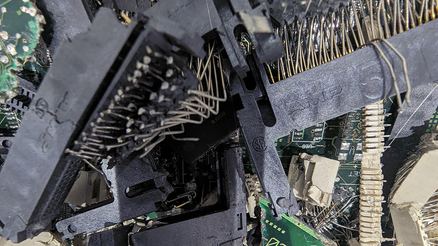
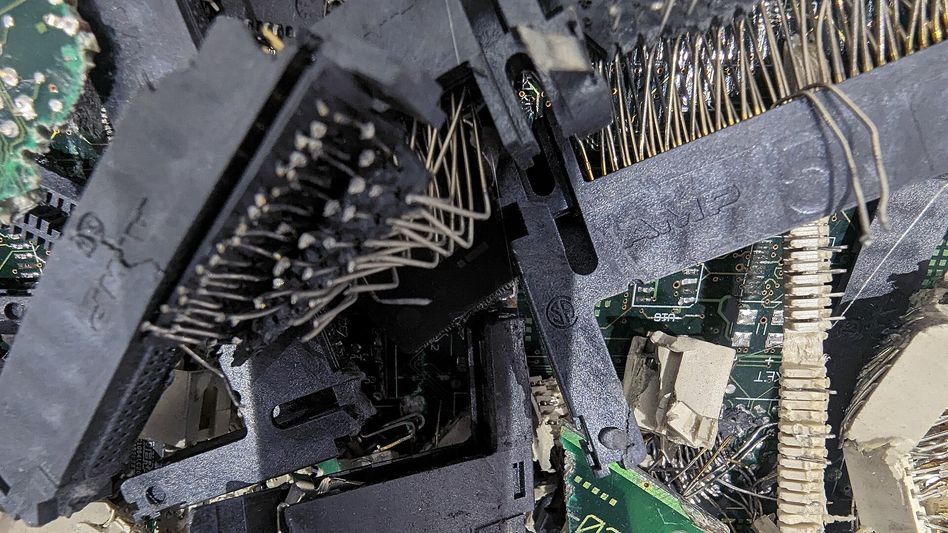
Where devices can be resold, refurbishment remains the highest-value path by a wide margin, and operators said functional enterprise hardware within a few generations of current typically returns more as equipment than as material. Below that threshold, the material stream is what it has always been: circuit boards carrying gold, palladium, copper and silver; aluminium and steel chassis; mixed plastics with flame-retardant complications; and an increasing volume of embedded lithium batteries that must be removed before shredding.
“Commodity revenue still matters — it is the difference between a thin job and a good one,” Oyelaran said. “But nobody awards us a contract because of it, and nobody fires us over it either.”
Battery removal is the operational risk
Every operator contacted raised embedded batteries as their principal safety exposure. Swollen or damaged cells in laptops, tablets and increasingly in peripherals require manual identification and removal before size reduction, and a single missed cell in a shredder is a facility-level event.
Several firms said their insurers now examine battery-handling procedure specifically at renewal, and that documented removal protocols have become as commercially relevant as the data-destruction certifications clients ask about directly.